The conversation around sustainable pork production is no longer just about feed. While optimizing nutrition and feed efficiency remains a top priority, the next wave of innovation is happening directly within the farm, where new technologies tackle the carbon footprint of heating, cooling, and lighting. As the industry works toward ambitious 2030 sustainability goals, a new generation of solutions proves that what's good for the planet is also suitable for the bottom line.
1. The Challenge: A Carbon-Intensive Barn
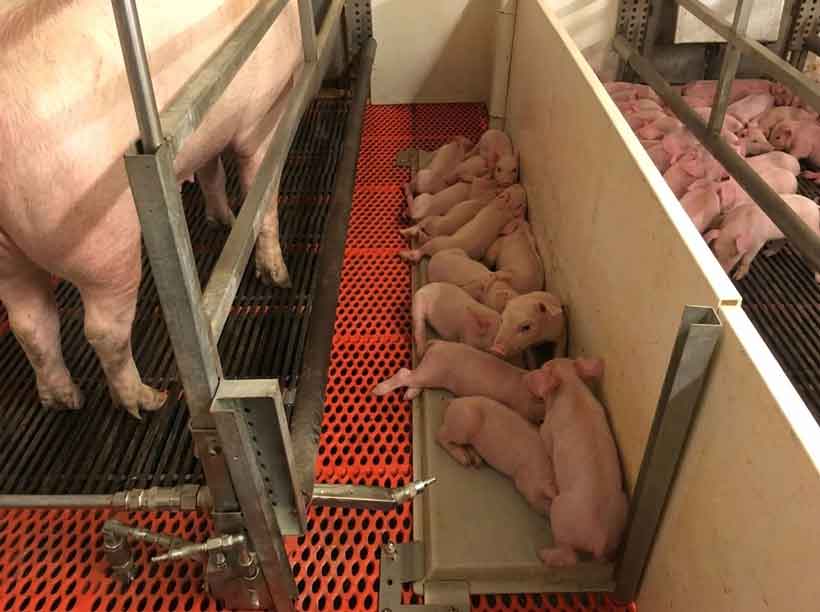
Swine production's environmental impact is farm-based mainly, with up to 80% of its carbon footprint originating at the farm gate. While manure management and feed production are significant contributors, the energy required to maintain a microclimate for optimal pig health is an often-overlooked area with massive potential for improvement. From keeping piglets warm to preventing heat stress in sows, energy consumption for climate control is a key target for sustainability efforts.
2. The Solution: New Technologies for a Greener Barn
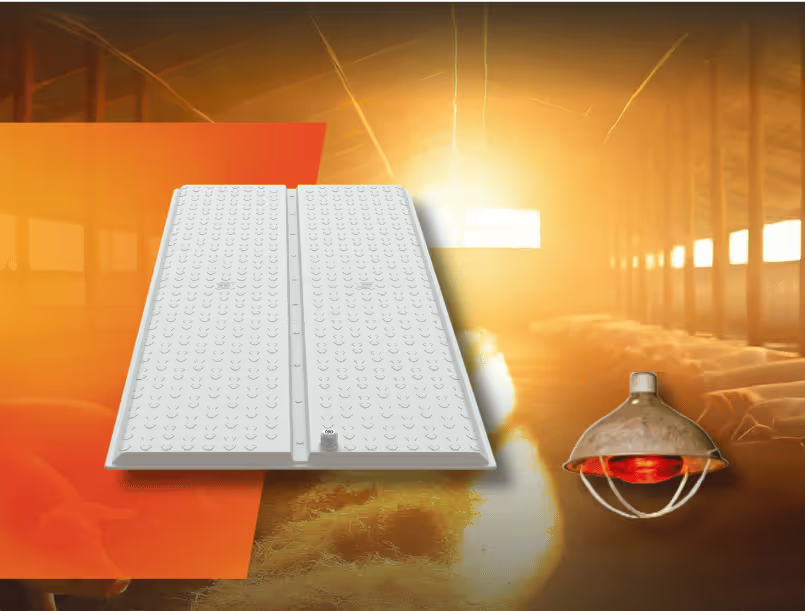
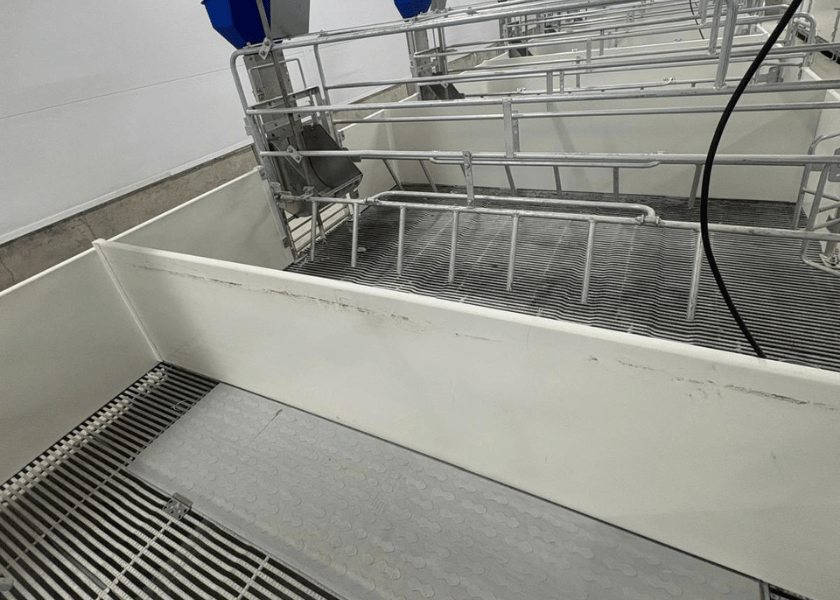
The focus is now shifting to more brilliant, more efficient infrastructure. Cutting-edge technologies are moving beyond simple automation to create intelligent, energy-saving systems. This is where companies like IHT Group are making a significant impact.
3. The Payoff: Sustainability and Profitability Converge
Adopting these intelligent, energy-efficient solutions demonstrates a crucial shift in the swine industry. Sustainability is no longer a separate, costly initiative; it's an integrated part of a modern, profitable business model. By investing in systems from companies like IHT Group, producers are not only reducing their carbon emissions but also:
As we look toward the future of pork production, it's clear that the path to a sustainable industry runs through the barn itself. The innovations in heating, cooling, and lighting are a testament to how technology is enabling producers to be both good stewards of the environment and successful business owners. The "intelligent barn" isn't a future concept; it's here, and it's powered by efficiency.