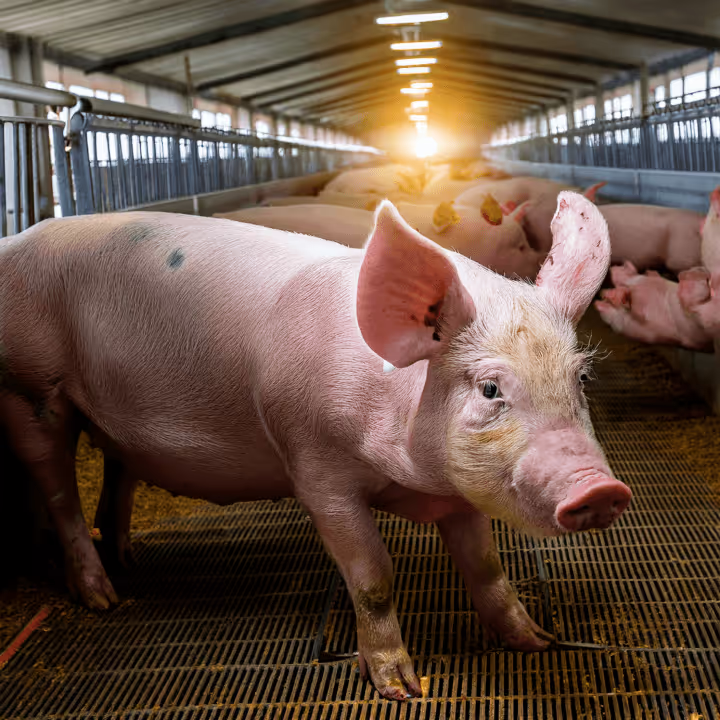
Recent scientific studies have reshaped our understanding of how cold and low temperatures impact pig production efficiency. As climate variability forces harsher winter conditions in many regions, researchers are uncovering new insights that could transform livestock management practices.
A study in the Journal of Animal Science shows that pigs experiencing temperatures below their thermoneutral zone (approximately 18°C to 22°C) boost their energy consumption to keep warm. Researchers indicate pigs may need up to 15–20% more feed when ambient temperatures drop by 5°C–10°C below optimal levels. Pig metabolism does not convert all this extra energy into growth, which reduces weight gain and lowers feed efficiency.
Another study in Livestock Science finds pigs in colder environments eat 12–15% more feed yet gain 8–10% less weight daily than pigs kept in temperature-controlled settings. These findings highlight producers’ economic challenges when managing animals under cold stress.
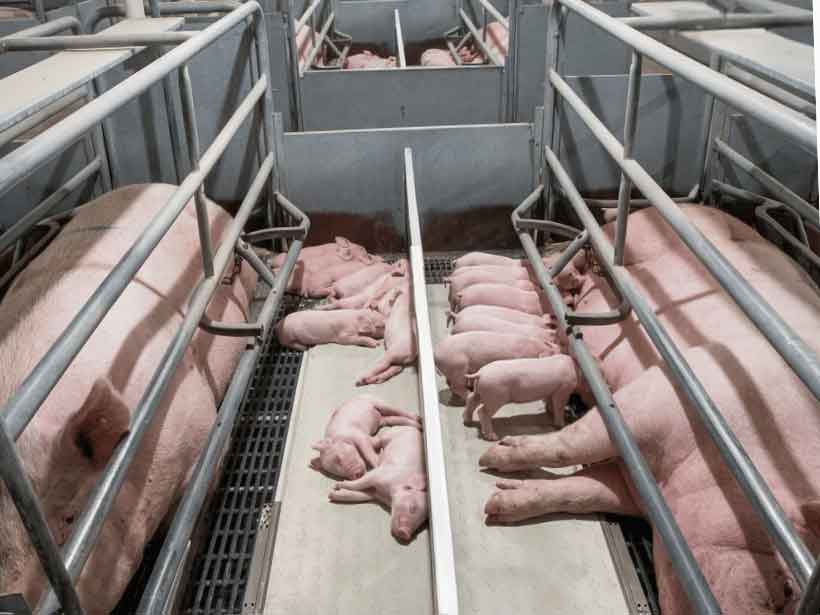
The industry turns to innovative solutions that optimize animal welfare and energy efficiency to combat the effects of cold stress. Modern pig houses now incorporate:
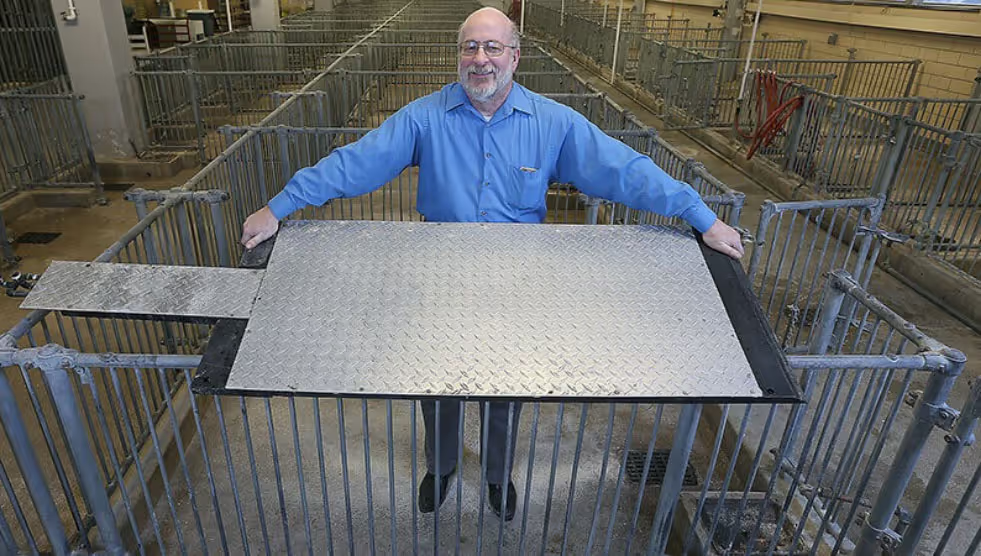
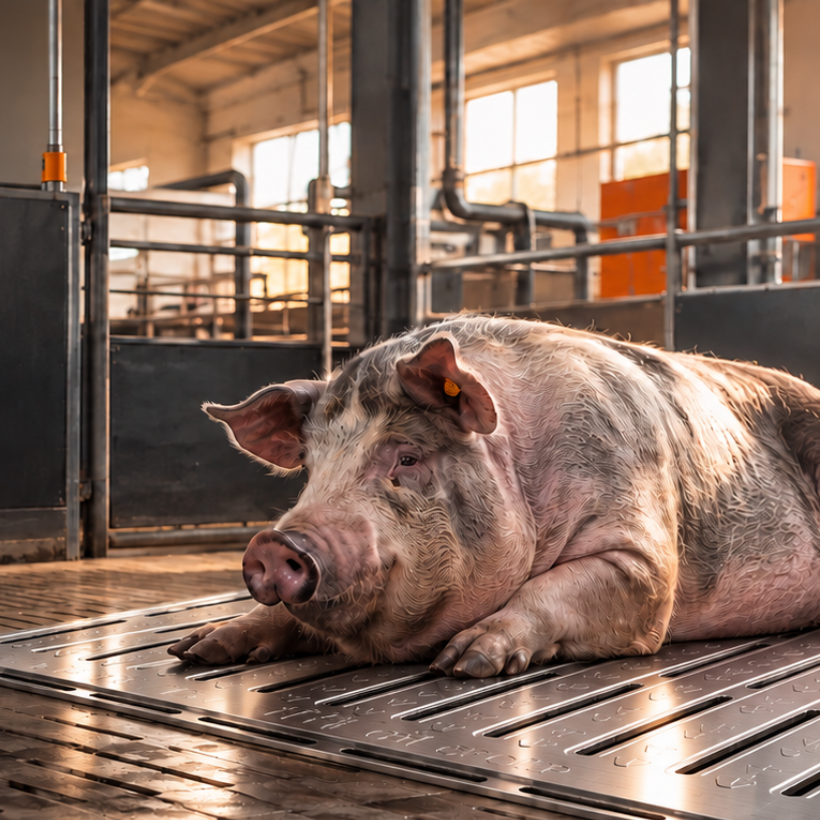
A pilot project in northern Europe reported that integrating precision livestock farming tools, including Hog Hearth Heat Mats, improved feed conversion ratios by nearly 10%, thereby reducing the negative impacts of cold stress.
The economic ramifications of cold stress are significant. Increased feed consumption without proportional weight gain raises production costs and stresses the sustainability of traditional pig production methods. Enhanced housing designs and adopting smart farming technologies, including energy-saving Hog Hearth Heat Mats, are crucial investments that promise long-term cost savings and improved animal welfare.
Researchers emphasize that while the initial costs for these innovations might be high, the resulting gains in efficiency and animal health could transform the profitability of pig farms in colder climates.
The latest data and technological advances point to a future where pig production can be more resilient against climatic challenges. Ongoing research explores genetic selection for cold-tolerant pigs and further improvements in predictive modelling to better manage temperature fluctuations. As these innovations become more widespread, the pork industry is expected to significantly shift toward sustainable practices that balance economic needs with animal welfare.
For now, the research community’s message is clear: adapting to cold weather is not just about survival; it’s about thriving in an increasingly variable climate.