Heat stress (HS) is emerging as a significant challenge for swine producers in the U.S., impacting animal welfare, productivity, and profitability, and they are looking for innovations to prevent it. A recent survey by professors Jay Johnson and Kara Stewart, researchers from the University of Missouri and Purdue University, sheds light on how producers perceive and manage this pressing issue. The study surveyed 62 farm managers across 16 states to bridge the gap between academic research and on-the-ground practices.
Heat Stress occurs when pigs cannot efficiently dissipate body heat, leading to reduced feed intake, poor growth, and increased health complications. It has long been recognized as a financial burden, with economic losses in the U.S. swine industry now estimated at $544 million annually, up from $299 million two decades ago when adjusted for inflation. Beyond financial costs, Heat Stress raises significant concerns and challenges about animal welfare and sustainable pork production.
Survey findings highlight widespread acknowledgment of HS’s negative impact:
However, perceptions of HS thresholds—temperatures at which pigs begin experiencing stress—varied widely. For example:
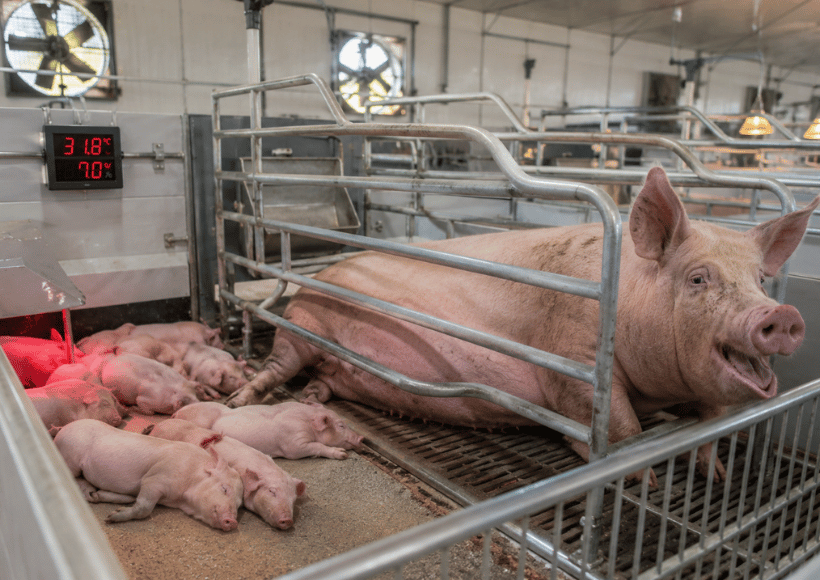
Despite advancements in cooling technologies, most producers rely on familiar methods like fans and evaporative cooling pads. While these solutions are effective for general temperature control, they may not fully address the nuanced thermal needs of sows and boars. Specialized cooling solutions targeting specific areas, such as floors or pads designed to maintain optimal thermal environments, are gaining interest due to their potential to enhance comfort and productivity.
Interestingly, only a small percentage of producers implement dietary interventions to mitigate HS, despite evidence suggesting its potential to reduce metabolic heat production.
The study revealed a strong demand for decision-support tools, with 64.5% of producers expressing interest in a heat stress alert system tailored to swine. Such tools could provide real-time, species-specific guidance to optimize ventilation and cooling strategies.
Producers also emphasized the need for standardized guidelines to address variability in practices and perceptions. For instance, discrepancies between actual and perceived HS thresholds could lead to inconsistent cooling measures, compromising both animal welfare and efficiency.
This research underscores the complexity of managing Heat Stress in modern swine production. While producers are aware of its impacts, variability in thresholds, coupled with reliance on traditional technologies, highlights the need for targeted education and innovative solutions, like IHT Cooling Pads. Producers can improve animal welfare and operational sustainability by integrating advancements in cooling technology, such as precision-engineered pads that align with a pig’s natural cooling behaviours. These efforts, alongside education and cutting-edge tools, will be key to ensuring resilience against rising temperatures.